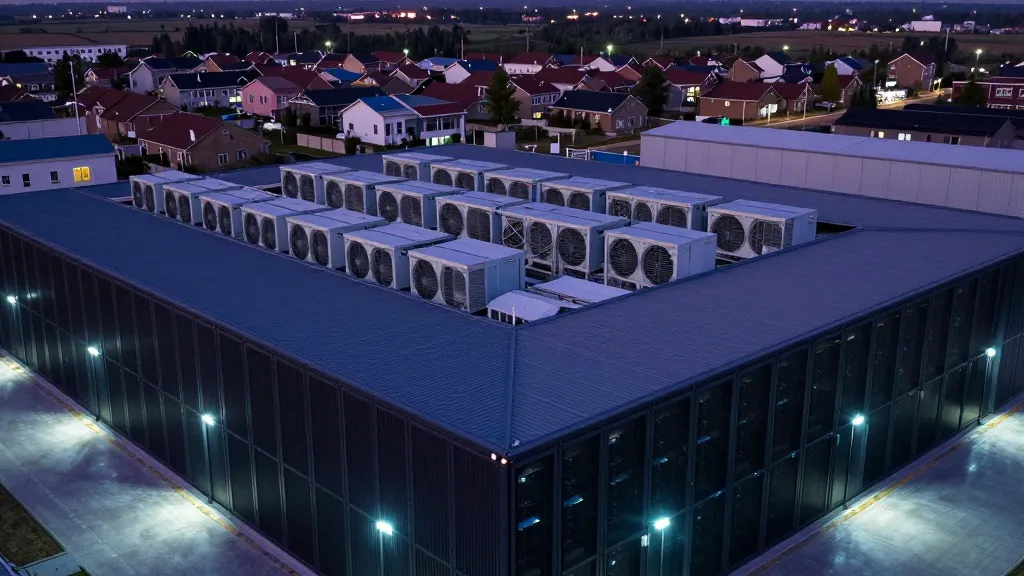
Amazon Abandons Northern Virginia Data Center Plans After Local Resistance
The tech giant will convert a 122-acre Loudoun County site into residential and community spaces, marking a significant shift in its infrastructure strategy amid growing public scrutiny.
By Christopher Reed ·
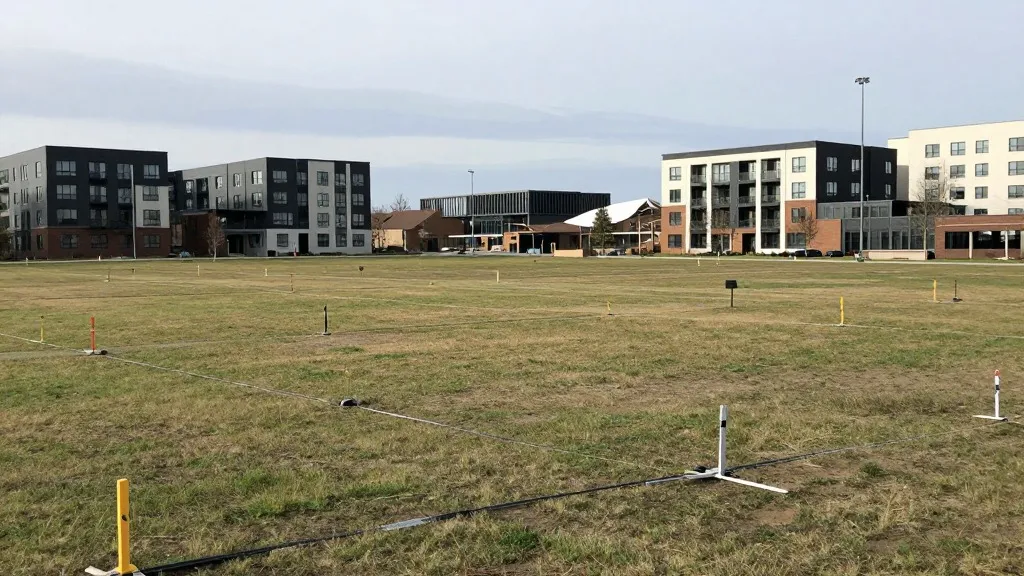
The rapid expansion of artificial intelligence has placed immense strain on local power grids and community resources, prompting a high-profile reversal in Northern Virginia’s tech landscape. On October 23, 2026, Amazon confirmed it will cancel plans to construct four new data centers on the former George Washington University campus in Loudoun County. Instead of the massive server facilities initially proposed in July, the company will repurpose the majority of the 122-acre property for mixed-use and residential development, a decision driven by sustained pushback from local residents concerned about noise and energy consumption.
Loudoun County, often referred to as "Data Center Alley" due to its dense concentration of server farms, has recently become a focal point for the tension between technological growth and community livability. As demand for AI computing power surges, local officials have grown wary of the environmental and logistical impacts of these facilities, including spikes in electricity costs and water usage. Following a September meeting between Amazon executives and county leadership, where the board suggested exploring alternative uses for the land, the company agreed to pivot. The site will now include a donation of 25 acres to the county for a community arts center and recreational facility, alongside a $5 million contribution to the local housing fund.
Josh Weissman, Amazon’s vice president for data center development, stated that while the company had initially wanted to purchase the former university campus, it respected the county’s specific concerns regarding the location. Weissman noted that although Amazon viewed the property’s legal development potential differently than the county, they determined that collaborating on a shared vision was preferable to engaging in costly litigation. This approach reflects a broader trend where hyperscalers are facing increased scrutiny not just for their energy demands, but for their impact on local infrastructure and neighborhood character.
County officials have framed the outcome as a successful example of collaborative problem-solving. Phyllis J. Randall, the chair of the Loudoun County Board of Supervisors, emphasized that choosing dialogue over confrontation allowed for a better outcome for residents. Randall highlighted that the agreement provides new spaces for community gathering and, crucially, more attainable housing for working families, marking a shift from pure commercial tech expansion to mixed-purpose development.
The decision also intersects with broader national discussions about the economic burden of data centers. Just days prior to this announcement, President Donald Trump urged data center builders to pay dividends to local communities to offset energy-related price increases. He further suggested that these facilities should generate their own power and sell excess energy back to the grid. While the Loudoun County project moves away from the data center model, it underscores the growing pressure on tech giants to align their massive infrastructure projects with local needs and sustainability goals. The next phase will involve detailed planning for the new residential and community spaces, aiming to balance Amazon’s presence with the county’s long-term residential growth.
This pivot represents a notable change in strategy for a county that previously welcomed such facilities. As the region grapples with energy capacity limits and community concerns over quality of life, the repurposing of the GWU campus serves as a potential template for future negotiations between major tech companies and local governments. The focus is now shifting from raw computing capacity to integrated development that supports both the tech industry and the residents who live alongside it.
Source: Tom's Hardware