Tesla Commences Mass Production of Optimus Robots at Fremont Facility
The automaker has transitioned former Model S and X lines to robot assembly, aiming for high-volume output while utilizing an internal academy to train the machines.
By Mei Lin ·
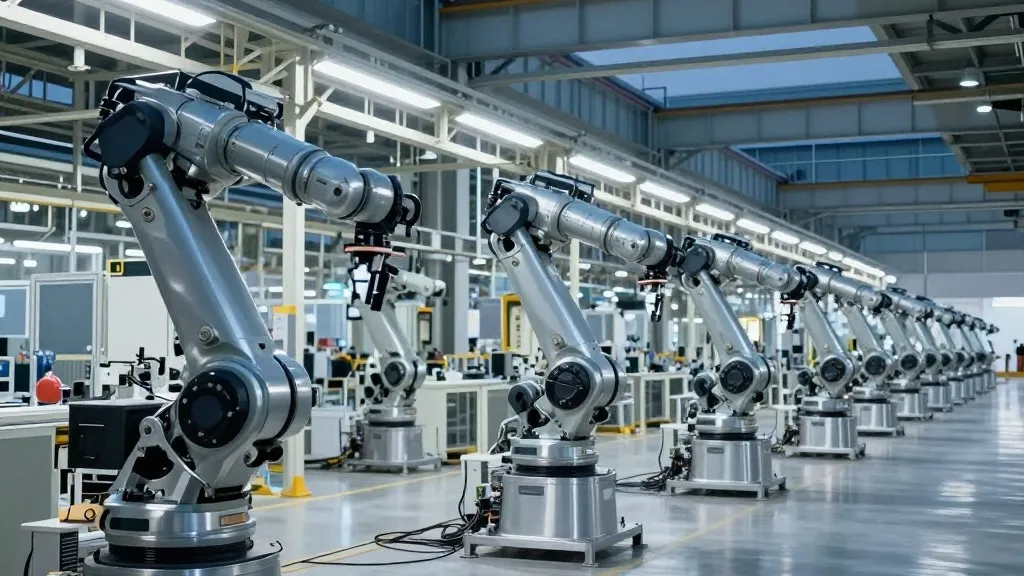
Tesla has officially initiated high-volume manufacturing of its Optimus humanoid robot at its Fremont, California factory, marking a significant shift in the company’s production priorities. In its third-quarter shareholder letter, the automaker confirmed that the units emerging from this new line represent the first production-quality models. The company stated that this milestone proves the current manufacturing process is sufficiently robust to support a commercial product, moving beyond the prototype phase that has characterized the project since its inception.
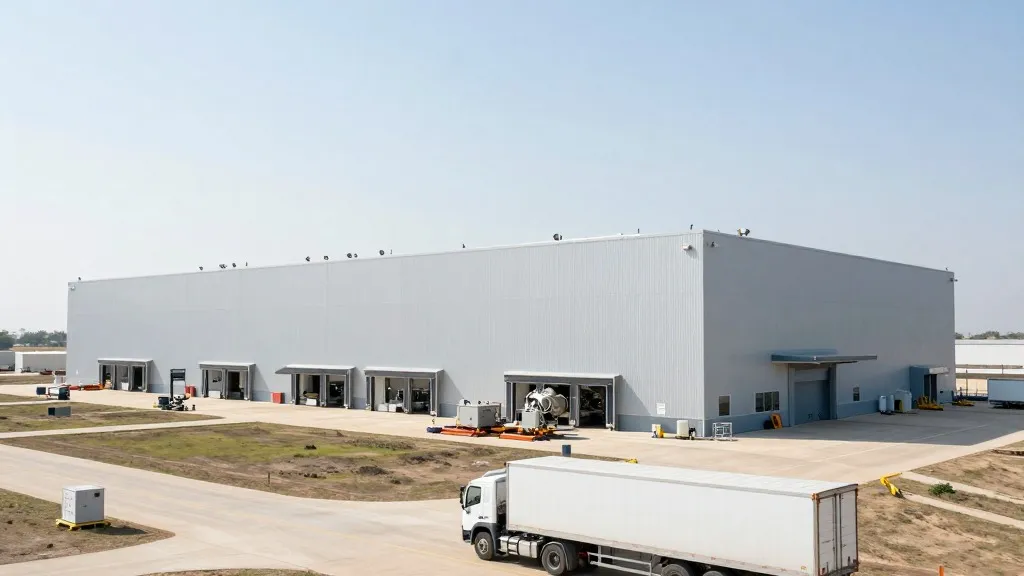
The production space was previously dedicated to the Model S and Model X sedans, a transition that Tesla completed in just 46 days earlier this spring. The facility has been reconfigured to support a theoretical annual capacity of one million units. During an earnings call on Wednesday, Chief Executive Officer Elon Musk indicated that the majority of the necessary equipment is already installed. He projected that weekly output will ramp up to approximately 20,000 robots as the line reaches full operational velocity.
Musk characterized the production ramp-up as an S-curve, noting that the initial phase will feature a shallow slope. The engineering team is currently focused on refining the robot’s artificial intelligence, electromechanical architecture, and overall reliability. Tesla expects to complete these refinements by the end of next year, at which point it plans to begin external deliveries. The initial target market for these robots includes businesses seeking automation for dangerous, repetitive, and continuous-duty tasks.
A central component of Tesla’s strategy involves solving the data scarcity issue inherent in a new robotics fleet. Unlike its automotive division, which leverages data from millions of active vehicles, Tesla lacks a comparable fleet for Optimus. To address this, the company is establishing an Optimus Academy. This internal program will involve 10,000 to 20,000 robots practicing diverse tasks, with their performance data feeding back into the model’s AI to drive iterative improvements. Every unit produced at Fremont will serve as a source of this training data.
Hardware upgrades are also planned to enhance the robot’s capabilities. Tesla intends to integrate its AI5 chip into the Optimus platform next year. Musk also revealed that a new video demonstration is expected within the next one to two months, showcasing the robot executing tasks driven by real-time AI rather than preprogrammed sequences. He contrasted this approach with rival humanoid demonstrations, arguing that scripted routines often fail to translate to real-world reliability.
The supply chain infrastructure is being finalized to support this expansion. In September, Tesla certified Tuopu, Joyson, and Sanhua as mass production partners for key Optimus components. Meanwhile, construction is underway on a much larger dedicated facility at Giga Texas. Recent drone footage shows the steel frame of that plant nearing completion, with Musk setting a long-term target for that site to produce 10 million robots annually.
Company executives indicated that Optimus production costs are trending toward the projected manufacturing cost of the Cybercab vehicle, suggesting the robot is being engineered for volume economics from the start. Despite these advancements, the design of the robot’s hands remains the most challenging aspect of the build. Musk reiterated this point during an X Takeover event earlier this month, noting that a significant portion of the current engineering effort is dedicated to resolving the complexities of the hand mechanism.
Source: Teslarati